The luxury fashion industry just hit the reset button.
Sixteen new creative directors took the helm at major houses in 2025, including Matthieu Blazy at Chanel, Jonathan Anderson at Dior, and Louise Trotter at Bottega Veneta. This isn’t musical chairs. It’s a signal that the industry knows it needs to change course.
After years of quiet luxury fatigue, price hikes without creativity, and a customer base that shrunk by 60 million since 2022, brands are finally investing in the one thing that justifies premium pricing: design that matters.
Spring/Summer 2026 runways are “more considered, refined, and intentional than ever.” Translation: brands are trying to reignite interest after years of beige tailoring and logo fatigue.
Here’s what you need to know.
Bold Color Replaces Quiet Neutrals
After burgundy and chocolate brown dominated 2025, Spring/Summer 2026 pivots hard into saturated color.
Yves Klein Blue showed up across designers from Prada to The Row. Bold without being loud. Sophisticated without being safe. The kind of color that signals confidence, not compensation.
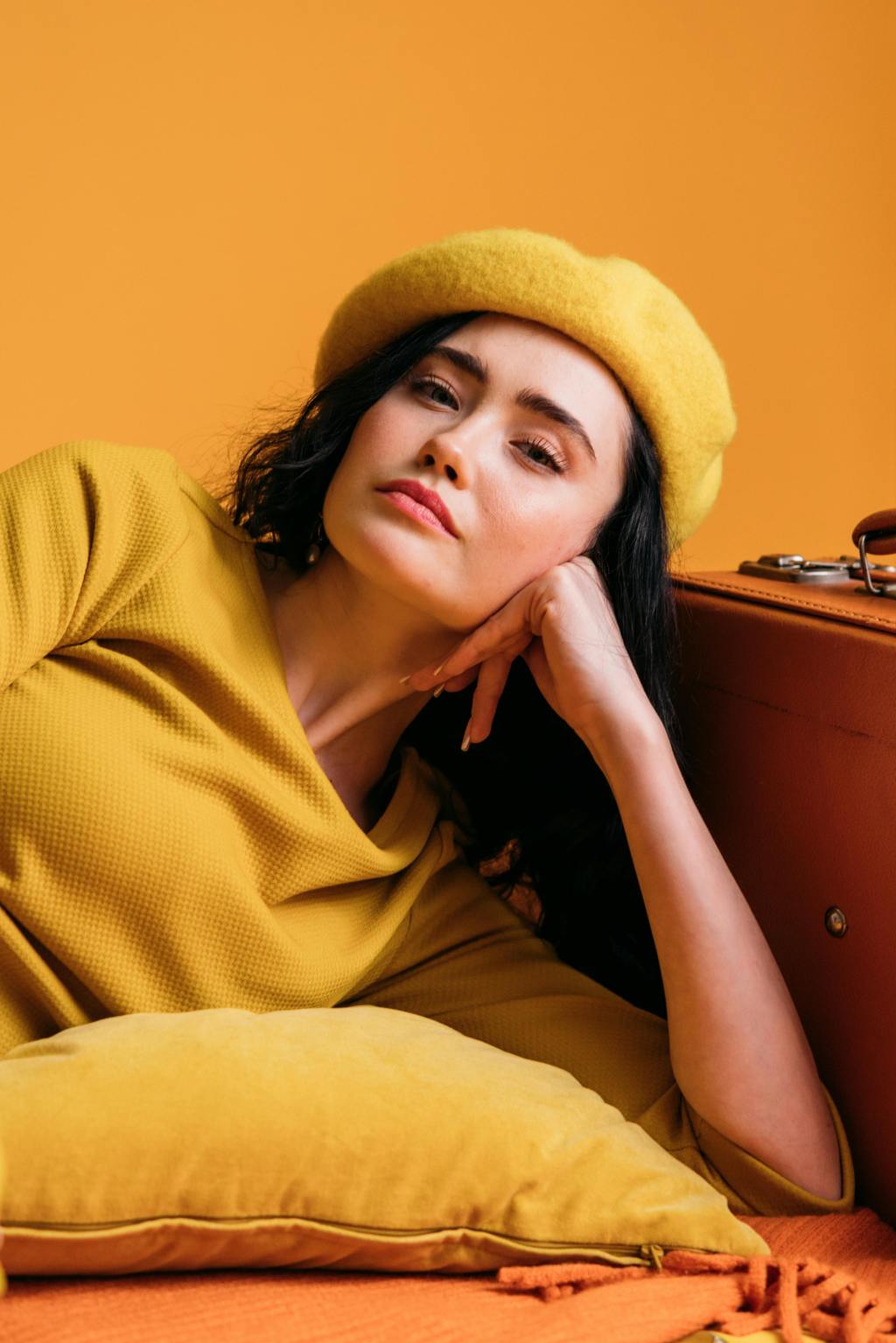
Canary yellow replaces last year’s butter yellow. Sharper, brighter, more declarative.
Grey as the new neutral. Not beige. Grey. Architectural greys that read as modern and intentional.
Strategy: Invest in pieces where color is structural (a Yves Klein blazer), not decorative (a trendy bag). Ask yourself: would this piece still feel intentional if the color weren’t trendy? If yes, invest. If no, skip.
Sports-Influenced Tailoring Gets Refined
Tailoring isn’t going anywhere, but it’s getting more interesting.
Spring/Summer 2026 brings “refined sports-influenced dressing”—not athleisure. Striped rugby shirts, fitted polos, band jackets with braiding and structured shoulders. Miu Miu glamorized the rugby top and polo, and now everyone from Prada to Bottega Veneta is exploring how sporty silhouettes sit inside luxury wardrobes.
The key difference: these pieces are “less gimmicky and more nuanced” than previous athleisure waves. They’re tailored, intentional, and reference sport without pretending you’re headed to the gym.
Strategy: Look for sports-influenced pieces with elevated fabrication. Wool rugby stripes, not cotton jersey. Structured polos in silk blends, not tech fabrics. A band jacket over tailored trousers works for client meetings. A fitted polo under a blazer reads confident and modern, not casual.
Guardian Design: Luxury That Protects
“Guardian design” integrates anti-theft and privacy features into luxury pieces without looking like tech gear. RFID-blocking pockets. Hidden compartments. Secure straps. All built into bags, blazers, and travel pieces that still look beautiful.
This addresses a real need for traveling professional women: safety without sacrificing aesthetics. Form meets function at premium price points.
Strategy: If you travel frequently, this is infrastructure worth investing in. A blazer with hidden passport pockets. A bag with RFID protection. A cross-body strap that can’t be cut. These aren’t gimmicks. The need for security doesn’t fade like trends do.
Statement Skirts and Fitted Blazers
After years of sleek minimalism, Spring/Summer 2026 brings volume back. “Explosions of tulle, bubbles of silk,” as Vogue describes it. Balenciaga showed skirts that could shine alone. Prada layered puff volumes under ladylike frocks.
This gives women who’ve been dressing quietly for years permission to take up space again. Visually. Literally.
Meanwhile, the shift from oversized to fitted tailoring continues. Blazers are being worn buttoned—not open and flowing. Structured shoulders, cinched waists, fabrics that maintain shape even after travel.
Strategy: One statement skirt styled multiple ways (simple knit for dinner, blazer for events, leather jacket for edge). For blazers, fitted doesn’t mean tight—it means tailored to your body. Invest in fabrics that hold structure: wool blends, technical crepes, materials that look sharp after a flight.
Quiet Luxury Evolves, Doesn’t End
Is quiet luxury over? Short answer: no. Long answer: it’s getting more interesting.
“Pure quiet-luxury era is definitely softening,” industry analysts note, but brands rooted in true craft (The Row, Loro Piana, Brunello Cucinelli) aren’t struggling. It’s the brands that adopted quiet luxury as a trend that are feeling the shift.
For Spring/Summer 2026, momentum moves toward a mix: “quieter refined pieces balanced with bolder statements.”
Strategy: You don’t have to choose. Build your foundation in pieces that work quietly and reliably. Add boldness strategically, where it serves your presence and your schedule. A grey tailored blazer can sit next to a Yves Klein blue coat. Balance, not extremes.
The Real Story: Brands Rebuild Trust
Here’s what all of this signals.
Bain reports that customers feel “betrayed” by brands that raised prices without increasing creativity. The luxury customer base contracted by 60 million people. Even top spenders are showing fatigue.
So brands are responding the only way that works: investing in designers who can create something worth paying for.
Sixteen new creative directors. Bolder runways. More considered design. This is the industry attempting to rebuild trust after years of taking customers for granted.
Your strategic lens: Watch how brands behave over the next two seasons. Are they delivering on the creativity these new directors promise? Or raising prices again while coasting on hype?
The brands that justify their price points through craft, innovation, and design that lasts—those are worth your investment. The brands relying on logos and heritage without evolving? Skip them.
Your Strategic Takeaways
- Color is back, but only if it’s intentional. Invest where bold color is structural, not decorative.
- Sports-influenced tailoring works if it’s elevated. Structured polos and band jackets in luxury fabrications only.
- Guardian design solves real problems. If you travel, invest in pieces with built-in security.
- Fitted blazers signal confidence. Reassess oversized pieces and invest in tailoring that fits.
- Quiet luxury shares space with boldness. Build a wardrobe that can do both.
- Watch how brands behave, not what they promise. Creativity must be delivered, not just announced.
Sixteen creative directors resetting luxury fashion is good news—but only if brands follow through.
For strategic shoppers, this means opportunity. Brands competing on creativity instead of just price means better design, more innovation, and pieces that earn their place in your wardrobe.
But you have to stay sharp. Not every “new creative vision” translates into clothing worth owning. Some will be hype. Some will be genuine craft.
Your job is to know the difference.
 Neon Lace