
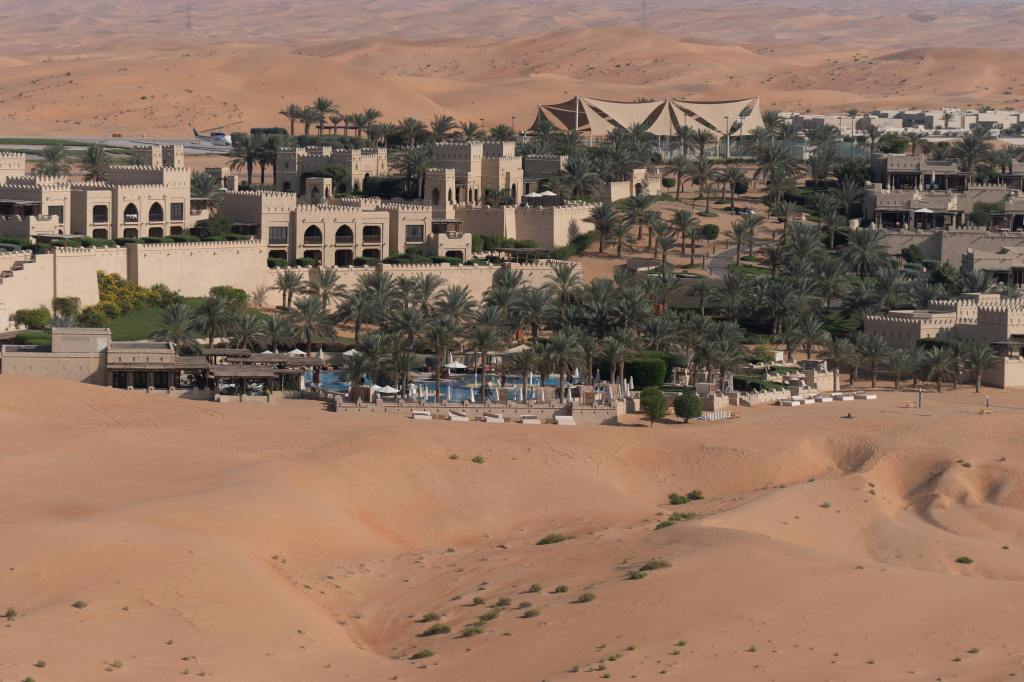
Accommodation searches in Asia’s secondary destinations are growing 15% faster than traditional hubs. Indonesia is developing five super-priority secondary destinations beyond Bali through its “Tourism 5.0” initiative. The pattern repeats globally: travelers seek less-saturated, more immersive experiences in cities that offer cultural depth without tourist infrastructure overwhelming local character.
This isn’t just travel diversification. It’s a fundamental shift in how sophisticated travelers define luxury.
Why Secondary Cities Now
Primary destinations became victims of their own success. Venice, Barcelona, Dubrovnik—cities where tourism infrastructure displaced local life and authenticity became performance. Travelers noticed. The experience of navigating crowds, inflated prices, and manufactured culture contradicts the entire purpose of luxury travel.
Secondary cities offer what primary destinations lost: discovery, immersion, proportion. You experience a place rather than consume it.
For professional women whose travel combines work and restoration, secondary cities provide the space to think without constant stimulation. That’s luxury in 2026—calm, not chaos.
The Asia-Pacific Focus
Asia-Pacific secondary city growth reflects both infrastructure investment and shifting Chinese consumer preferences. High-net-worth Chinese travelers are “becoming more sophisticated, opting for understated style over ostentatious logos.” That sophistication extends to destination choices.
Secondary Indonesian destinations benefit from government investment in accessibility without mass tourism development. The infrastructure supports travel without destroying the reason to travel there. That balance is rare and valuable.
European and Americas Parallels
Europe sees similar patterns. Porto over Lisbon. Lyon over Paris. San Sebastián over Barcelona. These cities offer cultural richness, culinary sophistication, and architectural beauty without the crushing density of primary hubs.
In the Americas, secondary cities in Mexico (beyond Tulum), Colombia, and Chile attract travelers seeking authenticity over Instagram validation. The shift indicates maturity in how luxury consumers define meaningful travel.
Strategic Travel Planning
Secondary cities require more research and planning. You can’t rely on guidebook infrastructure or assumed English fluency. This is where the Luxe Nomad archetype thrives—travelers who view research as part of the journey, who value discovery over convenience.
For professional women with limited vacation time, secondary cities deliver higher ROI. Fewer crowds mean better restaurant reservations, hotel availability, and authentic interactions. You spend less time managing logistics and more time experiencing place.
The Experience Economy Connection
This trend connects directly to broader luxury shifts toward experiences over possessions. When travel becomes about meaning rather than materialism, secondary cities naturally rise in appeal. They offer stories, perspectives, and memories that primary destinations can’t match at current saturation levels.
Bain-Altagamma data shows 71% of luxury travelers say travel choices reflect identity and values. Secondary city travel signals sophistication, curiosity, and independence—qualities professional women want to embody and communicate.
Infrastructure Considerations
Secondary cities won’t stay secondary forever. Early adoption provides the best experiences. As destinations develop tourism infrastructure to capture growing demand, they risk becoming what travelers are escaping.
This creates urgency for strategic travelers. The window for authentic secondary city experiences closes as popularity grows. Visit before the boutique hotels and guided tours arrive.
The new luxury map rewards curiosity over convention. Secondary cities are primary opportunities.
 Neon Lace