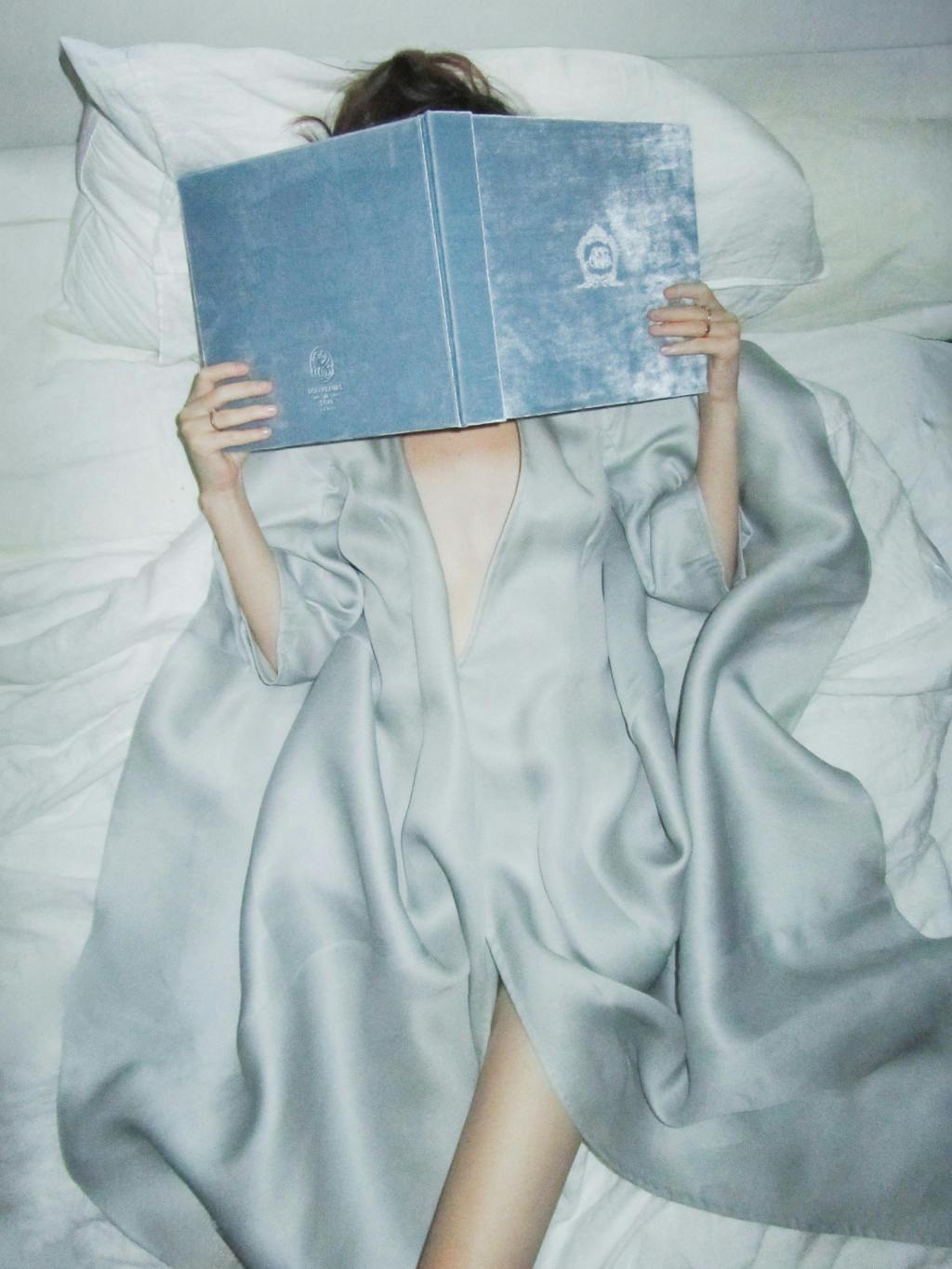
The fashion industry spent two years telling you to whisper your wealth. Now? They want you to mumble it while wearing yesterday’s linen trousers.
Welcome to “lazy luxury”—quiet luxury’s laid-back offspring. And if you think this is just another trend cycle, you’re missing the point entirely.
The Quiet Luxury Paradox
Here’s what nobody said about quiet luxury while it dominated 2023-2024: it was exhausting.
The Row perfection. The Loro Piana cashmere. The Bottega Veneta leather that cost more than your car payment. All of it required precision. One wrinkle, one stain, one moment of looking like you actually lived in your clothes, and the entire aesthetic collapsed.
Quiet luxury promised effortlessness. But achieving “effortless” required military-level discipline.
The Hidden Architect doesn’t buy contradictions. And neither, apparently, does the luxury consumer in 2025.
Enter: Lazy Luxury
The fashion press is calling it the “weekend house in Somerset” aesthetic. L.L.Bean bags mixed with passed-down Birkins. Poplin shirts French-tucked into whatever trousers you grabbed first. Leather flip-flops that cost £400 but look like you’ve owned them for a decade.
It’s what happens when you take quiet luxury’s quality obsession and remove the performance anxiety.
The differences?
Quiet Luxury said:
- Perfect neutrals only
- Crisp, structured silhouettes
- Not a logo in sight
- Looks expensive, feels expensive, costs expensive
Lazy Luxury says:
- Neutrals, but slightly rumpled
- Soft, unstructured ease
- Still no logos (we’re not barbarians)
- Inherited expensive
That last point is crucial. Lazy luxury doesn’t look new. It looks good.
Why This Actually Matters
This isn’t just fashion media inventing a new microtrend to justify their existence (though, let’s be honest, that’s happening too).
Lazy luxury represents something more significant: the luxury consumer’s rejection of aspiration theater.
For two years, quiet luxury promised that if you dressed “correctly”—neutrals, quality, restraint—you’d signal your belonging to the elite. But the elite don’t perform their status. They just… exist in it.
And how do people who’ve never had to prove anything dress?
Comfortably.
The Market Reality Check
While fashion editors wax poetic about “lazy luxury,” the data tells a more interesting story:
- Traditional minimalism is declining
- “Subtle maximalism” is emerging (textured fabrics, richer tones, personality)
- Quiet luxury product sales dropped 49% from December 2024 to April 2025
- But search volume for “luxury” remains stable
Translation: People still want luxury. They’re just done with the costume.
What The Hidden Architect Sees
This evolution isn’t random. It’s correction.
Quiet luxury made luxury accessible to aspirational consumers. You didn’t need old money—you just needed to look like you did. Which meant everyone was performing the same aesthetic. The Row became a uniform. Bottega became a badge.
And the actual luxury consumer? She got bored.
Lazy luxury is her exit strategy. It keeps the quality (because she actually knows the difference). Loses the rigidity (because she’s secure enough to not care). Adds back texture, color, personality (because “stealth wealth” was always a marketing term, not a lifestyle).
How To Actually Do This
If you’re building a wardrobe with intention—not just chasing the next media-invented microtrend—here’s the framework:
Tier 1: The Foundation (Unchanged From Quiet Luxury)
- Exceptional fabrics (cashmere, linen, silk, quality cotton)
- Impeccable construction (pieces that last decades)
- Neutral base palette (but allow for warmth—mocha, sand, cream)
- Zero logos (this was always non-negotiable)
Tier 2: The Softening (Where Lazy Luxury Diverges)
- Unstructured over tailored (blazers that move, trousers that breathe)
- Worn-in over pristine (that patinated leather jacket, the linen that creases beautifully)
- Mixed metals, mixed eras (your grandmother’s watch with your new shirt)
- Comfort as luxury (if it doesn’t feel good, it doesn’t belong)
Tier 3: The Personality (The New Permission)
- One piece with texture (fringe, draping, subtle pattern)
- A color that isn’t beige (rich burgundy, deep navy, warm terracotta)
- Something slightly imperfect (vintage, hand-made, one-of-a-kind)
- The thing that makes it yours (not The Row’s, not Loro Piana’s—yours)
The Intelligence Test
Here’s how you know if you’re doing lazy luxury correctly, or just being lazy:
Ask: Would this piece work in multiple contexts without trying?
- Your white poplin shirt: boardroom, beach walk, dinner. ✓
- Your cashmere sweater: solo, layered, knotted around shoulders. ✓
- Your leather sandals: jeans, silk trousers, linen dress. ✓
If the answer is yes, and the piece is genuinely high quality, you’re there.
If you’re just wearing yesterday’s clothes and calling it a trend? That’s not luxury. That’s just… yesterday’s clothes.
What This Means For Your Wardrobe
The shift from quiet to lazy luxury doesn’t require a closet overhaul. It requires a mindset shift.
Stop asking:
- “Is this perfect?”
- “Is this expensive-looking?”
- “Will people know this is quality?”
Start asking:
- “Do I feel at ease in this?”
- “Will this age beautifully?”
- “Does this reflect my actual life, not my aspirational Instagram?”
Because here’s the truth quiet luxury never admitted: the goal was never stealth wealth. The goal was always confidence.
And confidence doesn’t need to be perfectly pressed.
The Verdict
Lazy luxury isn’t killing quiet luxury. It’s freeing it from its own contradictions.
The quality remains. The restraint remains. The intelligence remains.
What’s gone? The performance. The rigidity. The exhausting pursuit of looking like you’re not trying.
Because the woman who truly doesn’t try? She’s too busy living to worry about whether her linen is wrinkled.
That’s not lazy. That’s liberated.
Lazy luxury proves what The Hidden Architect has known all along: true luxury isn’t about what you wear. It’s about having nothing left to prove.
 Neon Lace