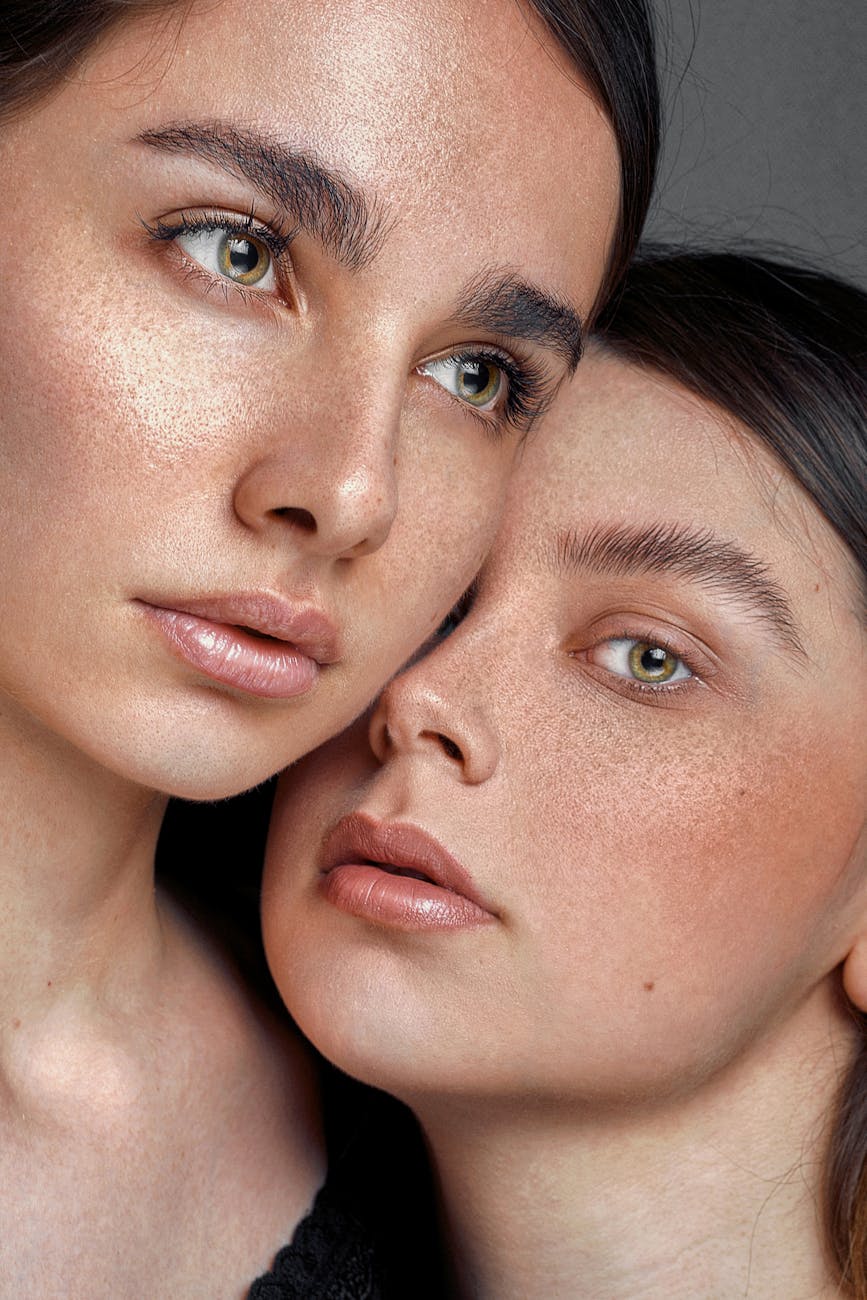
Gen Z is getting Botox. Not at 40. At 25.
They’re calling it “preventative.” The industry is calling it a goldmine. And the Hidden Architect is calling it what it is: a masterclass in rebranding anxiety as empowerment.
Let’s decode what’s actually happening in the longevity beauty space—and separate the architecture from the marketing.
The Longevity Beauty Boom (And What It Really Means)
“Longevity beauty” is the luxury sector’s newest obsession. The promise? Live longer. Look younger. Do both simultaneously with the right serum/supplement/subscription.
In the US, 46% of consumers spent more on cosmetic procedures in 2024 than in 2023. Among Gen Z? That number jumps to 53%.
And here’s where it gets interesting: younger consumers are seeking anti-aging treatments they consider “preventative,” at ages their mothers never considered intervention.
25-year-olds are getting preventative Botox. 22-year-olds are researching “age-reversing” peptides. University students are budgeting for professional treatments.
Is this strategic planning? Or have we collectively decided aging is a disease you can prevent if you start early enough?
When “Preventative” Became a Sales Pitch
Let’s be clear about something: there is legitimate science behind certain interventions. Retinoids work. Sun protection is non-negotiable. Antioxidants have proven benefits.
But when luxury beauty brands position every product as “anti-aging” and every treatment as “preventative,” we’re not talking about health. We’re talking about fear.
And fear, historically, has been very good for business.
The problem? The woman who builds her life with intention knows the difference between: – Strategic investment: Actions with proven ROI – Anxiety spending: Buying peace of mind you’ll never actually achieve
Guess which category most “longevity beauty” falls into?
The Hidden Architect’s Take: What’s Actually Worth It
If you’re going to invest in longevity—and there are legitimate reasons to—here’s the framework for doing it with discipline, not desperation:
Tier 1: Non-Negotiables (The Only “Preventative” Measures That Matter)
– SPF 30+ daily. This is the only true “anti-aging” product. Everything else is optimization. – Retinoids after 25 (tretinoin if you can access it, retinol if you can’t) – Basic skin barrier support (hydration, integrity, function)Cost: £50-150/year ROI: Proven, massive, irreplaceable
Tier 2: Strategic Enhancements (When You Have Goals, Not Fear)
– Professional treatments with proven results: Chemical peels, microneedling, targeted laser (not at 22, but when there’s something to address) – Science-backed supplements: Only if you have diagnosed deficiencies – Lifestyle architecture: Sleep, stress management, nutrition (free, but requires discipline)Cost: £500-2000/year ROI: High, if targeted correctly
Tier 3: Luxury Theater (Be Honest About What You’re Buying)
– NAD+ injector pens: Interesting science, limited human data, very expensive peace of mind – “Longevity” serums: Usually just good skincare with clever marketing – Preventative Botox at 23: You’re not preventing wrinkles. You’re preventing facial movement. There’s a difference.Cost: £2000-10,000+/year ROI: Unclear at best, performative at worst
The Question Nobody’s Asking
Here’s what’s missing from the entire longevity beauty conversation: What are we actually trying to prevent?
If the answer is “looking my age,” we need to talk about why aging became something to avoid rather than something to do well.
If the answer is “skin damage,” great—SPF and retinoids solve 90% of that.
If the answer is “I’m terrified I’ll be invisible/irrelevant/unlovable when I’m older,” then no serum is going to fix that. That’s not a skincare problem. That’s a culture problem.
And culture problems don’t respond to credit cards.
What Luxury Longevity Could Be (But Isn’t Yet)
The luxury beauty industry could offer something genuinely transformative. Instead of selling youth-chasing, they could sell: – Education on what aging actually is (cellular function, not aesthetics) – Frameworks for aging well (vitality, mobility, cognitive function) – Products that support lifespan AND healthspan (not just looking 25 forever)
That’s longevity as architecture.
But it’s harder to sell. Because it requires honesty. And honesty doesn’t move as much product as fear.
The Hidden Architect’s Longevity Framework
If you’re building for the long term—and you should be—here’s what matters:
1. Protect what you have. SPF. Barrier function. Sleep. Stress management. 2. Invest strategically, not emotionally. If you can’t explain the mechanism of action, don’t buy it. 3. Ask better questions. Not “Will this keep me young?” But “Will this support my health?” 4. Remember the goal. You’re not trying to stop time. You’re trying to age with vitality, clarity, and presence.
That’s not preventative. That’s intentional.
—
Longevity beauty promises that if you start early enough, spend enough, intervene enough, you can outrun aging. The Hidden Architect knows better: you can’t outrun time. But you can build a life—and a body—that ages like architecture instead of decay.
 Neon Lace